02 / PROCESS SCIENCE

From potential to precision.

Reduction, consolidation and refining each influence material quality. Select the manufacturing route around the required chemistry, defect limits and product qualification.

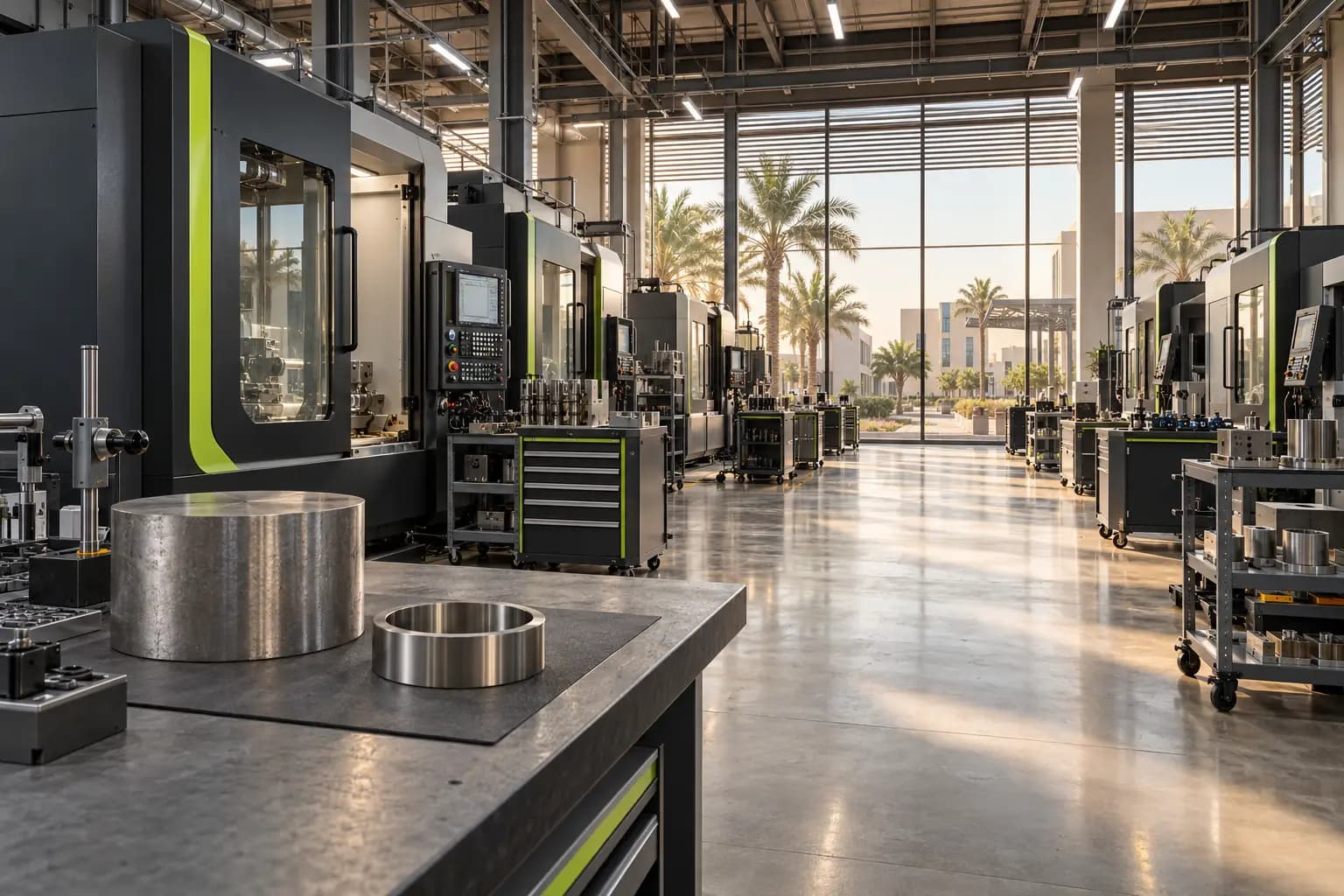
Visualization of an enclosed CNC machining hall with titanium components and lime-accented equipment
Precision manufacturing / Workshop design
01 / TECHNICAL PERSPECTIVE

FFC Cambridge · research

Solid titanium oxide is electrochemically deoxygenated in molten calcium chloride. The recovered product may be porous titanium or powder; it is not conventional Kroll sponge. Oxygen removal, salt recovery and scale-up require validation.

02 / TECHNICAL PERSPECTIVE

Kroll · industrial reference

Purified TiCl₄ is reduced with magnesium, followed by separation and vacuum distillation to obtain titanium sponge. This established industrial route provides a basis for comparing alternative processes.

03 / TECHNICAL PERSPECTIVE

Refining is route-specific

Vacuum arc remelting (VAR), electron-beam cold-hearth melting (EBCHM) or other consolidation routes may be selected where appropriate. Selection depends on the product specification, process economics and qualification requirements.
A CONNECTED VALUE CHAIN

From earth. To extraordinary.

Explore the key stages of titanium production, from raw material to a finished component.

01

PROCESS OVERVIEW

A responsible starting point

Explore this stage
INPUT

Qualified mineral or titanium oxide feedstock

OUTPUT

Characterized, traceable feedstock

QUALITY GATE

Supplier due diligence and feedstock chemistry

PROCESS RECORDS

Origin records, sampling plan and chemical analysis.

THE NEXT CONVERSATION

Let’s build what’s next.

Discuss your requirements